UnionRoofer Tips for Choosing the Right Waterproofing System

Introduction
Waterproofing is essential for protecting roofs, basements, and commercial buildings from water damage. UnionRoofer has helped thousands of homeowners and businesses across California choose the right system for their unique needs. In this post we break down the most common waterproofing options, explain how to evaluate them, and share tips for a successful installation.
Types of Waterproofing Systems
There are three main categories of waterproofing solutions:
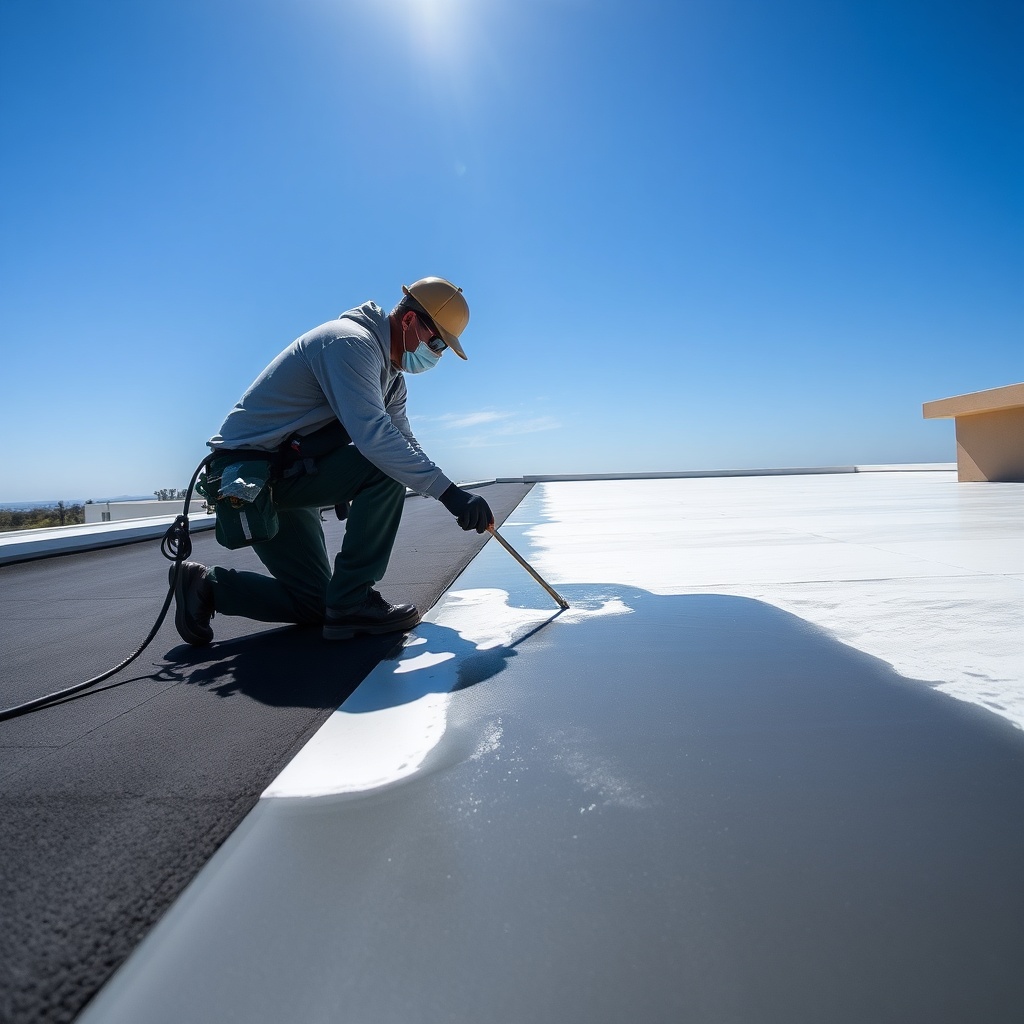
- Liquid‑applied membranes: These are sprayed or rolled on and form a seamless barrier. They are ideal for flat roofs and complex roof shapes.
- Sheet membranes: Pre‑cut sheets such as EPDM, PVC, or TPO are glued or mechanically fastened to the roof deck. They provide a durable, long‑lasting seal.
- Bituminous coatings: Asphalt‑based products that are rolled or sprayed onto the roof. They are cost‑effective and work well on low‑slope roofs.
Factors to Consider
Choosing the right system depends on several factors:
- Roof pitch: Steep roofs often use liquid membranes, while low‑slope roofs favor sheet or bituminous systems.
- Climate: In coastal areas, moisture and salt can degrade certain materials faster. In inland regions, temperature extremes affect flexibility.
- Budget: Liquid membranes are typically more expensive upfront but require less maintenance. Sheet membranes offer a balance between cost and durability.
- Longevity: EPDM and PVC can last 30‑40 years, while liquid membranes may need re‑application every 10‑15 years.
Installation Process
Proper installation is critical for waterproofing performance. The typical steps include:
- Roof preparation – cleaning, repairing, and priming the surface.
- Applying the membrane – either spraying, rolling, or laying sheets.
- Sealing seams and edges – using heat welding, adhesives, or mechanical fasteners.
- Quality inspection – checking for air leaks, proper adhesion, and coverage.
UnionRoofer technicians follow strict safety protocols and use industry‑approved tools to ensure a flawless finish.
Maintenance Tips
Even the best waterproofing system requires periodic checks. Schedule inspections every 2‑3 years and look for:
- Cracks or blisters in liquid membranes.
- Loose or damaged seams in sheet systems.
- Accumulated debris that can trap moisture.
- Signs of mold or mildew in the attic or crawl space.
Clean gutters, remove debris, and repair any damage promptly to extend the life of your waterproofing.
UnionRoofer Waterproofing Services
UnionRoofer offers a full range of waterproofing solutions for residential, commercial, and industrial projects. Our members receive priority scheduling, discounted pricing, and access to the latest waterproofing technologies. We also provide post‑installation support, including maintenance plans and emergency repair services.
Conclusion
Choosing the right waterproofing system protects your property, saves money, and provides peace of mind. By understanding the types of systems, evaluating your roof’s specific needs, and partnering with UnionRoofer’s experienced professionals, you can ensure a reliable, long‑lasting barrier against water damage. Contact us today to schedule a free assessment.