UnionRoofer Safety Standards for Roofing Professionals

Introduction
Roofing is one of the most physically demanding trades, and safety must always come first. UnionRoofer has long championed rigorous safety standards to protect both our members and the communities they serve. In this post we outline the key safety protocols, explain how they align with OSHA regulations, and show how our training programs keep crews compliant and prepared.
OSHA Regulations
OSHA requires that all roofing work meet specific safety criteria, including:
- Proper fall protection for any work above 6 feet.
- Use of personal protective equipment (PPE) such as hard hats, gloves, and eye protection.
- Safe ladder installation and use.
- Weather‑related hazard assessments.
UnionRoofer members receive up‑to‑date training on these regulations and are equipped with the tools to implement them on every job site.
Fall Protection
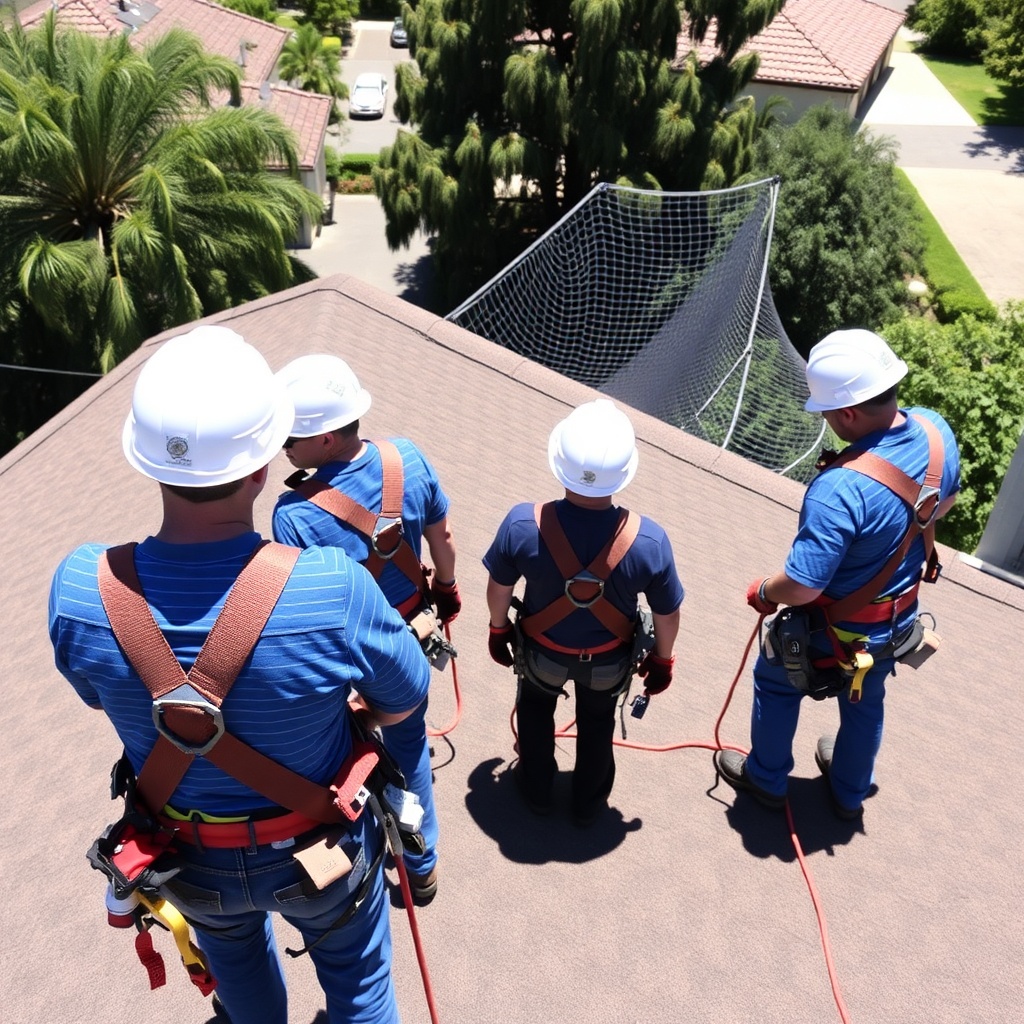
Falls account for the majority of roofing injuries. Effective fall protection includes:
- Guardrails or safety nets on flat roofs.
- Personal fall arrest systems (harnesses, lanyards, and anchor points) for steep roofs.
- Regular inspection of all fall‑protection equipment.
UnionRoofer’s safety audits verify that every crew member is wearing the correct gear and that anchor points are secure.
Personal Protective Equipment
Beyond fall protection, PPE protects against heat, cold, and chemical exposure. Essential items include:
- Hard hats with chin straps.
- High‑visibility vests.
- Gloves rated for cut and abrasion resistance.
- Safety glasses or face shields.
- Respiratory protection when working with solvents or in dusty environments.
UnionRoofer provides a PPE checklist and ensures all members receive the latest gear.
Ladder Safety
Ladders are a common source of accidents. Follow these ladder safety rules:
- Use a ladder that is rated for the load and height of the job.
- Position the ladder at a 4:1 angle (four feet out for every one foot up).
- Secure the ladder at the top and bottom with tie‑offs or a ladder stabilizer.
- Never lean the ladder on unstable surfaces.
UnionRoofer’s ladder safety training includes hands‑on drills and real‑world scenarios.
Weather Considerations
California’s weather can change rapidly. Before starting work, crews should:
- Check the latest weather forecast for wind, rain, or lightning.
- Use wind‑shear calculations for high‑rise projects.
- Implement a rain‑stop protocol for wet roofs to prevent slips.
- Schedule work during cooler hours in summer to avoid heat stress.
UnionRoofer’s weather‑monitoring system alerts members to potential hazards in real time.
UnionRoofer Training
UnionRoofer offers a comprehensive safety curriculum that covers:
- OSHA 10‑hour and 30‑hour courses.
- Fall protection certification.
- Ladder safety workshops.
- Emergency response and first aid.
- Continuous safety refresher modules.
Members who complete these courses receive a safety badge and priority access to job opportunities.
Conclusion
Safety is not a cost – it is an investment in people, reputation, and long‑term success. By adhering to OSHA standards, using proper fall protection, wearing the right PPE, and staying vigilant about weather and ladder safety, UnionRoofer members set the industry standard for safe roofing practices. Join UnionRoofer today and become part of a community that values safety above all else.